How to Start Learning Jewelry Design: A Complete Roadmap
Discover a structured roadmap for learning jewelry design from scratch, covering essential skills, tools, techniques, and milestones that take you from curious beginner to confident jewelry creator in 2026.
Learning jewelry design is one of the most rewarding creative journeys you can undertake, blending artistic expression with hands-on craftsmanship and technical precision. This complete roadmap walks you through every phase of the learning process, from understanding foundational design principles to mastering advanced fabrication techniques, so you can build skills methodically and avoid the common pitfalls that slow down self-taught beginners. Whether your goal is launching a jewelry business or simply crafting meaningful pieces for loved ones, this guide provides the structured path you need to get there.
If you are brand new to the field, our guide on jewelry design basics, elements, and principles is an excellent companion to this roadmap. You may also want to explore how AI tools are helping first-time jewelry designers accelerate their learning curve dramatically.
Phase One .. Foundations of Design Thinking
Before picking up any tools or metals, the most valuable investment you can make is developing your design eye. This phase typically spans the first one to three months and focuses on understanding how jewelry works visually and structurally.
Understanding Design Principles
Every piece of jewelry, whether a simple band ring or an elaborate statement necklace, relies on core design principles. Balance, proportion, rhythm, contrast, and unity are the building blocks that separate amateur work from professional designs. Study existing jewelry pieces with a critical eye. Visit museums, browse high-end retailer websites, and examine vintage pieces to understand how master jewelers apply these principles.
Start a design journal where you collect images, sketch rough ideas, and annotate what makes certain pieces appealing. This habit of visual analysis trains your brain to recognize good design instinctively.
Learning to Sketch
Sketching is the fastest way to externalize your ideas and communicate designs to others. You do not need to be a fine artist. Jewelry sketching is primarily about conveying shape, proportion, and construction details clearly. Begin with simple geometric forms and gradually build up to rendering rings, pendants, and earrings from multiple angles.
Practice drawing basic shapes daily for just 15 to 20 minutes. Within a few weeks, you will notice dramatic improvement in your ability to translate mental images onto paper. For a deeper dive, see our guide on jewelry design ideas to find inspiration for your early sketches.
Materials Knowledge
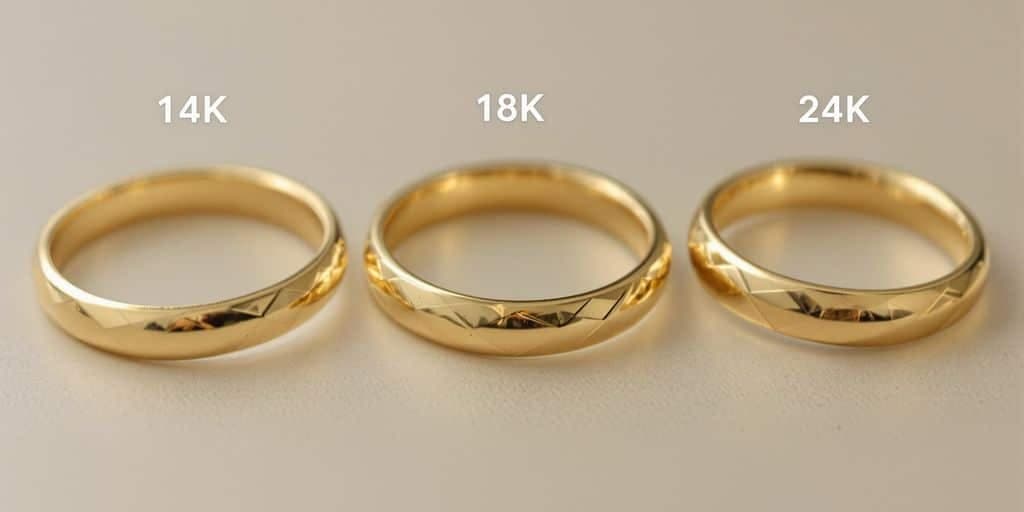
Understanding metals and gemstones at a basic level is essential even at this early stage. Learn the differences between gold karats and how platinum, gold, and silver each behave differently when worked by hand. Familiarize yourself with common gemstone types and their properties.
You do not need encyclopedic knowledge yet, but understanding why certain metals pair with certain stones and what makes a design structurally sound will inform better creative decisions from the start.
Phase Two .. Building Technical Skills
With design foundations in place, the next phase introduces hands-on techniques. This stage typically runs from months three through nine and is where the real craftsmanship begins.
Basic Metalsmithing
Metalsmithing is the backbone of traditional jewelry making. Start with these core techniques in order.
| Skill | What You Will Learn | Approximate Time to Basic Proficiency |
|---|---|---|
| Sawing and piercing | Cutting metal sheet into shapes | 2 to 3 weeks |
| Filing and finishing | Smoothing edges and surfaces | 1 to 2 weeks |
| Soldering | Joining metal pieces with heat | 3 to 4 weeks |
| Forming and shaping | Bending and doming metal | 2 to 3 weeks |
| Basic stone setting | Securing stones in bezels | 4 to 6 weeks |
Begin with inexpensive metals like copper and brass before working with silver. These base metals behave similarly to precious metals but cost a fraction of the price, allowing you to practice without financial anxiety.
Setting Up Your Workspace
A dedicated workspace does not need to be elaborate. A sturdy table, a bench pin clamped to the edge, good lighting, and adequate ventilation are the essentials. Store your tools organized and accessible. Many successful jewelers started in a corner of their kitchen or garage before graduating to a full studio.
Safety should be your top priority from day one. Always wear safety glasses when sawing or filing. Use proper ventilation when soldering. Keep a fire extinguisher nearby and learn the safe handling procedures for every chemical you use.
Introduction to Digital Tools
Modern jewelry designers benefit enormously from digital skills. Even if your focus is handcrafted work, understanding digital design opens doors to efficient prototyping and client communication.
Tashvi AI offers an exceptional entry point for beginners. You can describe a design concept in plain language and receive a photorealistic rendering within moments. This allows you to practice design concepts risk-free on Tashvi AI before working with physical materials, saving both time and money during the learning process. Try designing on Tashvi AI free and see how quickly you can iterate on ideas.
Phase Three .. Specialization and Depth
Between months nine and eighteen, you will naturally gravitate toward specific areas of jewelry design. This is the phase where generalists become specialists.
Choosing Your Focus Area
Jewelry design encompasses many specializations, and pursuing depth in one or two areas produces better results than spreading yourself thin across all of them.
Design and Illustration suits those who love the creative and conceptual side. This path leads toward roles in design houses, freelance design work, or brand creative direction.
Bench Jeweler and Fabrication appeals to people who love working with their hands. This track focuses on metalsmithing, stone setting, and finishing techniques that produce heirloom-quality pieces.
Digital Design and CAD is the fastest-growing specialization. Learning software like Rhino with the Grasshopper plugin, MatrixGold, or other AI jewelry design software positions you at the intersection of technology and craft.
Gemology and Stone Selection focuses on understanding, grading, and selecting stones. This specialty pairs well with any other focus and is particularly valuable for designers working with high-end materials. Understanding diamond shapes and melee diamonds is part of this education.
Advanced Technique Development
Whatever specialization you choose, this phase demands deliberate practice on increasingly challenging projects. Set yourself specific challenges that push just beyond your current skill level. If you have mastered basic bezel settings, move to prong settings. If you can solder simple joints, attempt multi-piece constructions.
Document every project with photographs and notes about what worked and what did not. This documentation becomes the foundation of your portfolio and an invaluable learning reference.
Phase Four .. Portfolio Building and Professional Development
From roughly the eighteen-month mark onward, your focus shifts from pure skill building to professional presentation and market readiness.
Creating a Strong Portfolio
Your portfolio is your most powerful tool for attracting clients, landing jobs, or launching a brand. Include your best 15 to 20 pieces, showing range within your specialization. Each piece should include multiple views, process photos, and a brief description of the design intent.
Digital portfolios are essential in 2026. Build a clean website or use platforms like Behance and Instagram to showcase your work. High-quality photography makes an enormous difference in how your work is perceived.
Understanding the Market
Study current jewelry trends but do not chase them blindly. The most successful designers develop a recognizable aesthetic that resonates with a specific audience. Research pricing structures, understand markup calculations, and learn how to communicate value to potential customers.
Explore how AI tools are reshaping the jewelry industry and how emerging technologies like 3D printing are creating new opportunities for independent designers.
Networking and Community
Join jewelry-making communities both online and in your local area. Attend workshops, trade shows, and craft fairs. Connect with other designers at your level and slightly above. The jewelry community is remarkably generous with knowledge and mentorship once you demonstrate genuine commitment to the craft.
How Tashvi AI Accelerates Every Phase of Learning
Throughout each phase of this roadmap, Tashvi AI serves as a powerful learning companion. Beginners can use the platform to visualize design ideas instantly, seeing how different element combinations look as photorealistic renders before committing to physical materials. This rapid feedback loop dramatically shortens the learning cycle.
Tashvi AI helps beginners learn jewelry design principles by generating professional-quality concepts from simple descriptions. Describe a "vintage-inspired sapphire ring with milgrain details" and within seconds you have a professional rendering to study, critique, and refine. This makes design education more accessible and experimental than ever before.
As your skills advance, use Tashvi AI to prototype collections, test color combinations, and present concepts to clients before fabrication. The platform bridges the gap between imagination and execution at every skill level.
Milestone Checklist for Your First Year
Track your progress against these benchmarks to stay motivated and on course.
Months 1 through 3 should see you completing basic design sketches, understanding metal and gemstone fundamentals, and creating your first simple wire-wrapped or fabricated piece.
Months 4 through 6 should include completing several soldered silver pieces, attempting your first stone setting, and building comfort with at least one digital design tool.
Months 7 through 9 should bring consistent quality in your chosen specialization, a collection of 5 to 10 portfolio-worthy pieces, and the ability to take a design from concept sketch through finished piece.
Months 10 through 12 should culminate in a polished portfolio, your first commission or sale, and a clear vision for your continued development path.
Moving Forward With Confidence
The jewelry design journey never truly ends. Even master jewelers with decades of experience continue learning new techniques and pushing creative boundaries. What matters most is starting with a clear roadmap, maintaining consistent practice, and staying curious about both traditional techniques and emerging technologies.
Your next step is simple. Pick up a sketchbook today and draw your first ring design. It does not need to be perfect. It just needs to be a beginning. And when you are ready to see your ideas come to life digitally, try designing on Tashvi AI free to experience how quickly you can turn imagination into stunning visual concepts.
Frequently Asked Questions
Quick answers to the questions readers ask most about this guide.
How long does it take to learn jewelry design?
Most beginners can grasp fundamental design principles and basic metalsmithing within 3 to 6 months of consistent practice. Reaching professional-level proficiency in specialized areas like stone setting or CAD modeling typically takes 1 to 3 years depending on dedication and the learning path chosen.
Do I need artistic talent to learn jewelry design?
Artistic talent helps but is not required. Jewelry design combines creativity with technical skill, and many successful jewelers developed their abilities through structured practice rather than innate talent. Basic sketching, an eye for proportion, and willingness to learn are far more important than natural drawing ability.
What is the cheapest way to start learning jewelry design?
Start with free online resources like YouTube tutorials for sketching and basic metalwork, practice with inexpensive copper or brass wire, and use AI design tools like Tashvi AI to visualize concepts without material costs. Many community colleges also offer affordable introductory metalsmithing courses.
Should I learn traditional techniques or digital design first?
Starting with traditional hand-sketching and basic metalwork gives you a physical understanding of materials and construction that strengthens all future work. Once comfortable with fundamentals, adding digital tools like CAD software and AI design platforms accelerates your creative output significantly.
What tools do I need to buy as a beginner jewelry designer?
Essential starter tools include a jeweler's saw and blades, a set of needle files, pliers (flat-nose, round-nose, chain-nose), a bench pin, a torch for soldering, safety glasses, and basic measuring tools. Expect to invest around $200 to $400 for a quality beginner toolkit.